Lira, Uganda | July 2026: Communities are not just beneficiaries of healthcare—they are partners in shaping better health outcomes.
This principle took centre stage in July 2026 as the M-Care Project, implemented by Lira University, established Community Advisory Boards (CABs) in Oyam, Lira and Kole districts.
The CAB selection meetings brought together district leaders, political leaders, District health officials, community representatives, members from the civil society organisations and the M-Care project team to strengthen community participation and accountability in the prevention and management of non-communicable diseases (NCDs).
The selection exercise formed part of M-Care’s broader governance framework, designed to ensure that community voices inform project implementation, strengthen accountability and promote sustainable partnerships between communities, district local governments and Lira University.
The meetings provided an opportunity for M-Care to introduce the project to district stakeholders who had not participated in earlier inception and launch activities, while also creating a platform for transparent and inclusive selection of CAB members across the three selected study sites.
Participants reviewed the proposed membership against agreed selection criteria establised by the Ministry of Health-Uganda, with particular attention to gender balance, stakeholder representation and the competencies required to support project implementation.
The resulting CAB members were later orientated to serve as an important link between communities, district health systems and the M-Care Project.
Across the three districts, leaders welcomed the M-Care intervention and recognised the urgency of responding to the growing burden of Non-Communicable diseases.
In Kole District, district leadership highlighted the importance of strengthening integrated healthcare approaches and welcomed Lira University’s partnership. The Chief Administrative Officer, Mr Lawrence Ogwang, emphasised the value of collaboration between academia and local government in generating evidence and improving community health outcomes.
In Oyam District, the District Health Officer, Mr Thomas Malinga, reaffirmed the district’s commitment to supporting M-Care implementation. The meeting also reviewed and refined the proposed CAB membership to ensure appropriate stakeholder representation and gender balance.
In Lira District, the Assistant District Health Officer–Maternal and Child Health, Mr Achekka Edmonton, highlighted the growing impact of NCDs on communities and health systems. He noted that the M-Care community-based approach comes at an important time as the district seeks to strengthen prevention, management and continuity of care at the primary healthcare level.
The District Health Officer, Dr Ocen Patrick Buchan, and Resident District Commissioner, Ms Eyal Lillian, also reaffirmed the district’s commitment to supporting the project and encouraged the newly selected CAB members to serve with integrity, transparency and dedication.
These CAB members will help to ensure that community perspectives remain central as M-Care progresses into its next phases and ensuring that M-Care remains responsive to community priorities and grounded in local realities.
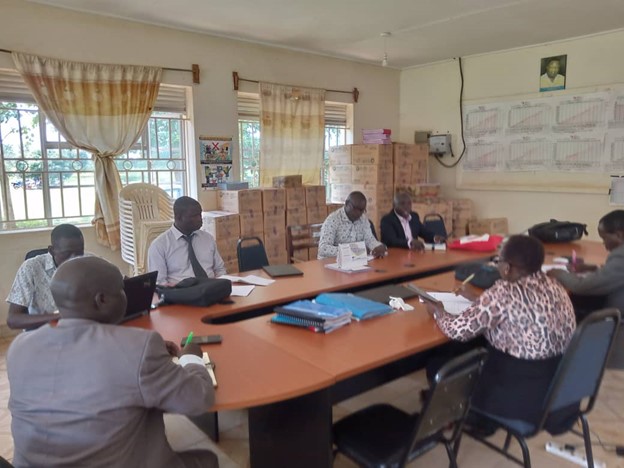 District stakeholders and the M-Care Project team during the Community Advisory Board selection meeting at Oyam District Board Room.
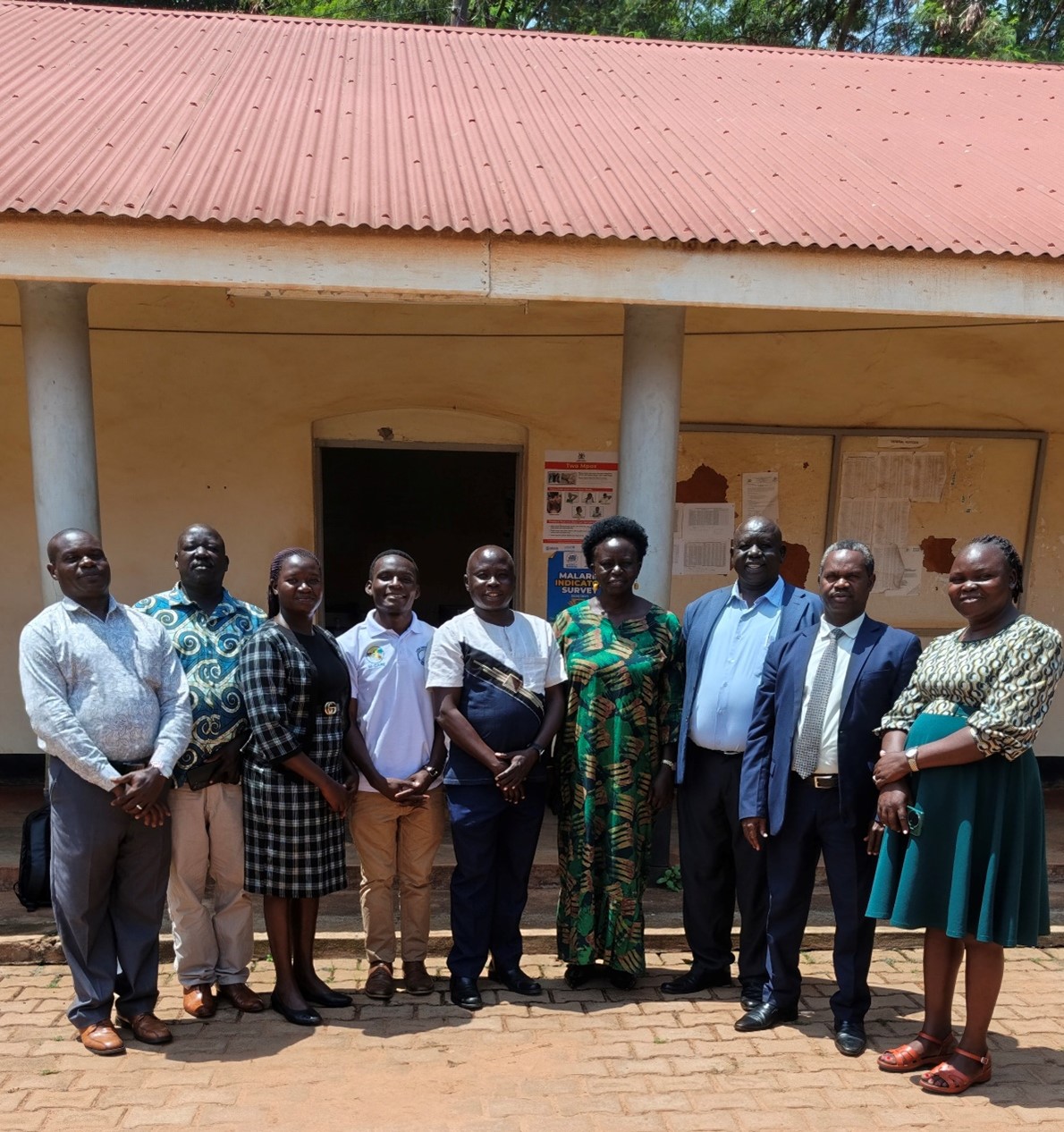 District leaders, health officials, community representatives and the M-Care Project team following the CAB selection meeting in Lira District.
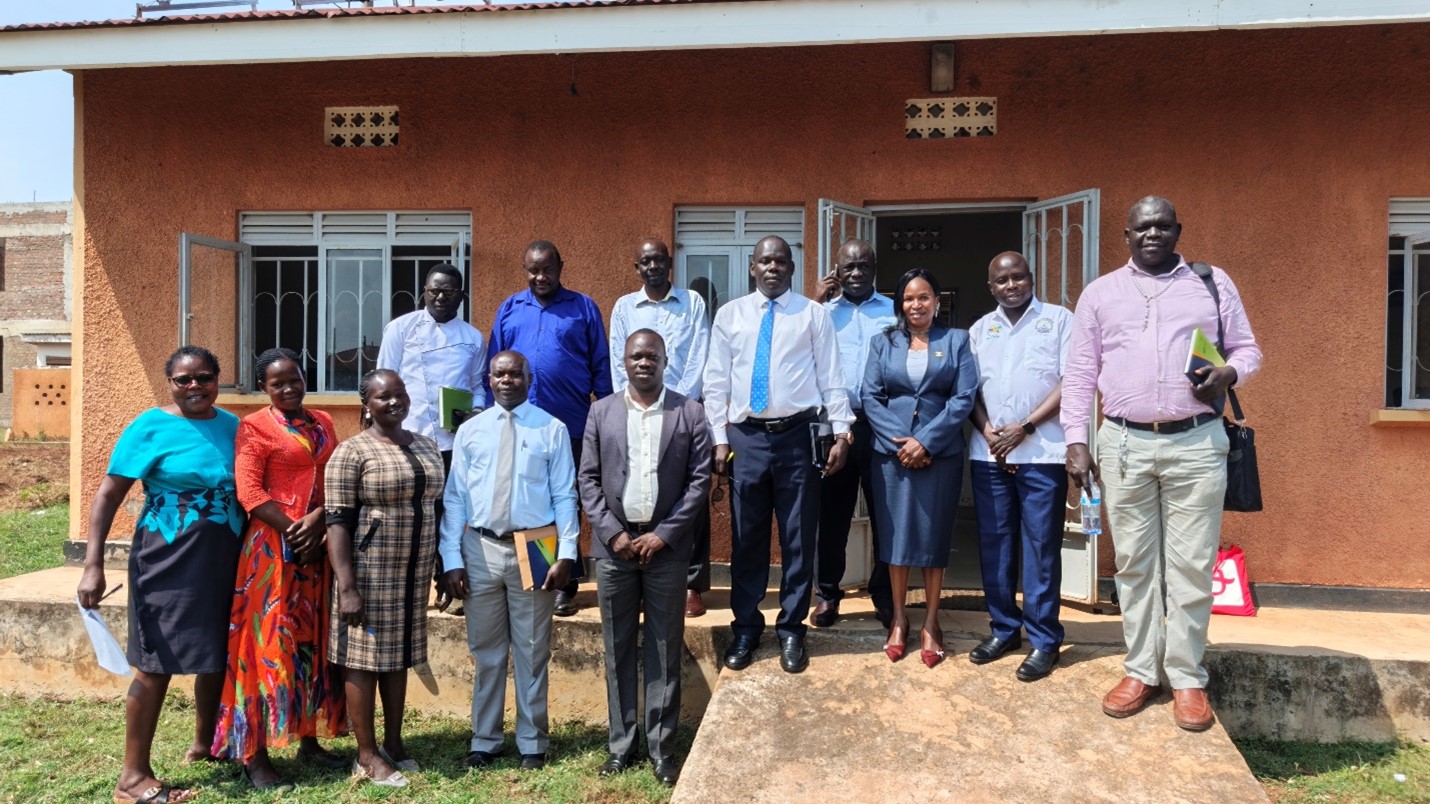 Stakeholders pose for a group photograph following the successful selection of the M-Care Community Advisory Board in Kole District.
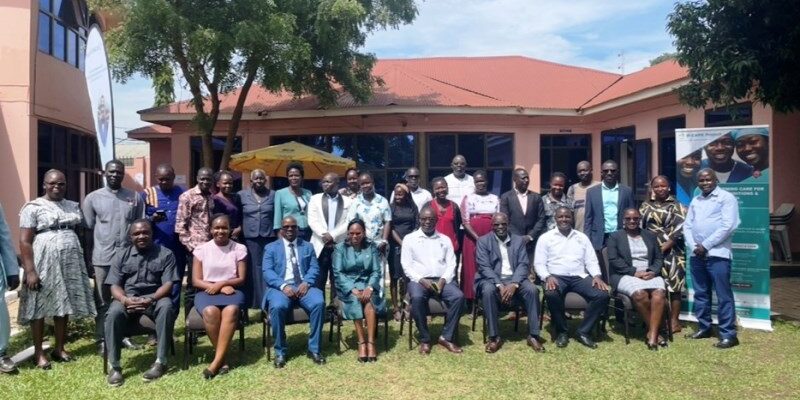
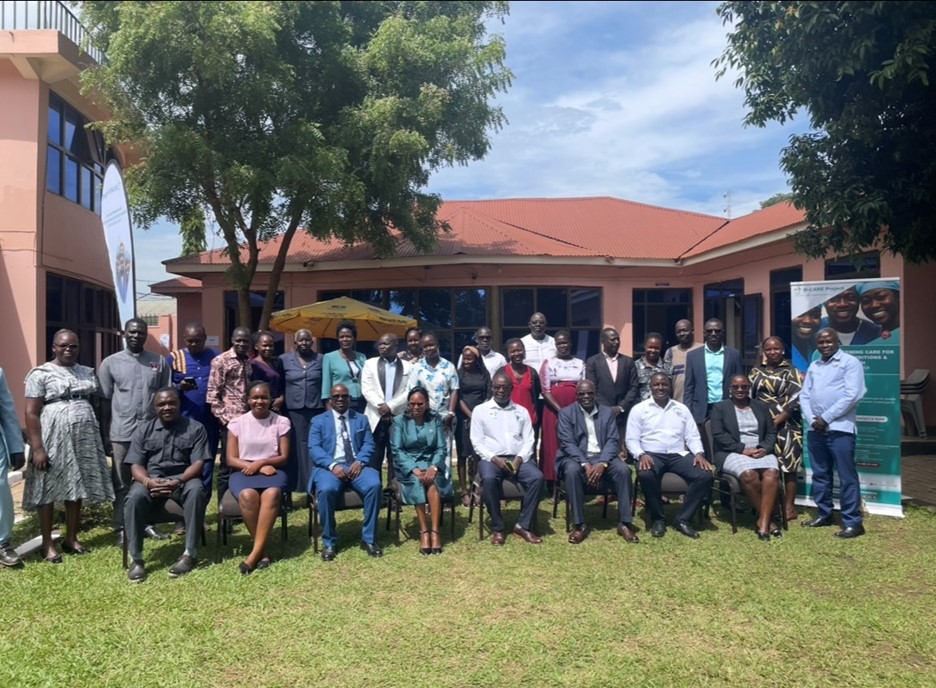 Newly selected Community Advisory Board members from Oyam, Lira and Kole districts Pose for a group Photo with the M-care Project Team during the induction