
Transforming Care for Patients with Multiple Long‑Term Chronic Conditions in Africa: Challenges, Innovations & Opportunities
28th May, 2026 from 14.00-15.30 (CET); 12.00-13.30 (GMT)
Overview
Multiple long‑term chronic conditions — especially the dangerous intersection of cardiometabolic diseases and common mental health disorders — are rising at an alarming pace across sub‑Saharan Africa. The result is a rapidly escalating burden on patients, families, communities, and already‑stretched health systems. Traditional, single‑disease care models can no longer keep up. They leave too many people undiagnosed, unsupported, and without access to the integrated, person‑centred care they urgently need.
This webinar, hosted by the M‑CARE Consortium in collaboration with Amsterdam Public Health – Global Health, brings together leading expert s to confront this challenge head‑on. Together, we will explore practical, scalable solutions to strengthen primary care for people living with multiple chronic conditions across Africa. We will unpack the true scale of the problem, examine why whole‑person primary care is essential, and highlight how evidence‑based tools such as WHO PEN and mhGAP can transform frontline services.
The session will also spotlight real‑world insights from the European Commission–funded M‑CARE Project (https://www.mcareproject.org/), currently evaluating integrated care strategies in Ghana, Kenya, and Uganda. Expect rich insights, actionable strategies, and a forward‑looking discussion on how to improve care for millions across the region.
The event will be chaired by Prof. Charles Agyemang (Amsterdam UMC, University of Amsterdam) and will feature presentations from eminent speakers, followed by an interactive Q&A and panel discussion.
Programme
14.00-14.05: Welcome and scene setting – Prof. Charles Agyemang (Amsterdam UMC, The Netherlands & PI of M-CARE ).
14.05-14.20: Confronting the Rising Burden of Multiple Chronic Conditions in Sub‑Saharan Africa: Insights from the WHO-AFRO - Prof. Kofi Nyarko (Team Lead for NCDs/ Mental Health and Injuries, WHO-AFRO)
14.20-14.35: The Dutch Approach to Integrated Chronic Care: What Other Systems Can Learn - Dr Monika Hollander,
(Amsterdam UMC, The Netherlands)
14.35-15.05: M-CARE - A model of integrated, patient-centered care for patients with multiple long-term chronic conditions in sub-Saharan African countries - Prof Alfred Doku (University of Ghana M edical School )
15.05-15.25: Panel discussion with speakers & Prof. Ama de-Graft Aikins (LSE), Dr Gershim Asiki (APHRC, Narobi, Kenya), Dr. Bernard Omech (Lira University, Uganda) & Mr Labram Musah (NCD Alliance, Accra, Ghana) – Facilitated by (Dr Wouter Munneke, Amsterdam UMC, The Netherlands)
15.25-15.30: Closing remarks – Prof. Marie Norredam (University of Copenhagen, Denmark)
Registration / Webinar
Link to registration: Webinar MLTC registration form Deadline for registration: 25th May, 2026
Link to the Webinar: https://eu01web.zoom.us/j/61172360132?pwd=YbHRk3dSyIrwIaK3JcRCRAAlAJBtod.1
About Chairs & Keynote Speakers
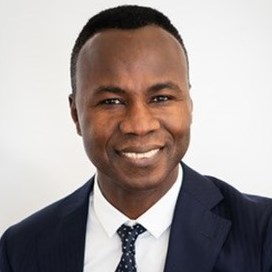
Prof. Charles Agyemang is a Professor of Global Migration, Ethnicity and Health at Amsterdam UMC, University of Amsterdam; and an Adjunct Professor at the John Hopkins University School of Medicine, USA. He is currently the Scientific Chair of the Global Society of Migration, Ethnicity, Race & Health, & Secretary of the Governing Council of the European Public Health Association; a member of the prestigious US National Academy of Medicine, European Academy, The Lancet Racial Equality Advisory Board, & World Health Organisation taskforce on NCDs in Migrants. His research is focused on migrant health & NCDs in low-and middle-income countries. He is the PI of several high- impact European Commission and European Research Council-funded projects such as the RODAM study, Pros-RODAM study (www.rod-am.eu), Generation-H study (https://www.generationh.org/) and M-CARE study (https://www.mcareproject.org/) among many others. Prof. Agyemang is a highly productive scholar with over 470 research articles, reviews and book chapters. He is the Deputy Editor for the European Journal of Public Health and the Section (Global Health) Editor for Journal of the American Heart Association. Professor Agyemang is very passionate about capacity building in education and training and has trained and training several PhD students from all over the world especially in the African region.
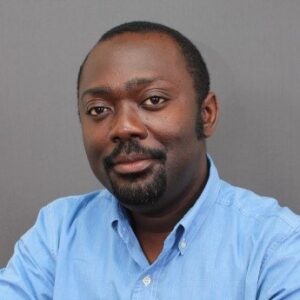
Prof. Kofi Mensah Nyarko is the Team Lead for Non communicable Disease (NCDs) in the World Health Organization African Regional Office, Brazzaville, Congo. He is a medical doctor and an epidemiologist who holds an MPH and a PhD Public Health - epidemiology. He has worked at senior level leadership positions at Ministries of Health and was the program Manager for NCDs in Ghana. He also has significant multi-country experience and led various health programs in sub-Saharan Africa in both communicable and non-communicable diseases. He was the immediate past country lead for Africa Field Epidemiology Network (AFENET) in Sierra Leone was the Resident Advisor for Filed Epidemiology Training Program for Sierra Leone and Namibia. He also served as the Dean of the School of Natural and Environmental Sciences, University of Environment and Sustainable Development, Ghana. He has worked and collaborated with several international organizations. He has several publications to his credit.
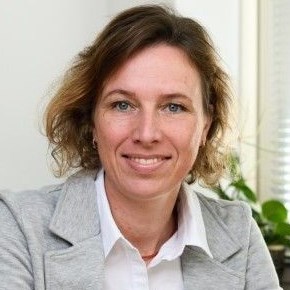
Dr. Monika Hollander is an Assistant Professor and General Practitioner at the Department of General Practice at Amsterdam UMC. She serves as Head of the Academic General Practice Living Lab (AWH-ANHA) of Amsterdam UMC and leads the Diabetes in Primary Care research group. Her work focuses on transforming cardiometabolic care through improved prevention, early detection, and integrated chronic care models in primary care settings. She leads and collaborates on national research initiatives aimed at strengthening risk assessment, screening, and implementation of evidence-based care in Dutch general practice. Dr. Hollander combines her academic leadership with active clinical practice, ensuring that her work remains closely aligned with everyday patient care. She has published widely on cardiovascular risk management, hypertension, diabetes, and stroke prevention, and contributes to national guidelines and innovations in primary care.
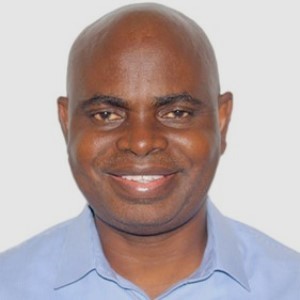
Dr. Alfred Doku is a consultant physician specialist and cardiologist at the Korle-Bu Teaching Hospital, a senior lecturer of the University of Ghana Medical School, head of cardiology, Korle-Bu Teaching Hospital and University of Ghana, and a fellow of Ghana College of Physicians and Surgeons, West Africa College of Physicians and Surgeons, and a fellow of German Cardiac Society. As head of cardiology, he has been involved in the training of doctors, physician specialists and cardiologists. Dr. Doku is the immediate past president of Ghanaian Society of Cardiology, member of Technical Working Group on Cardiovascular Diseases (CVD) for Ghana Health Service, and African chair of International Society of Hypertension (ISH) where he is leading the development of ISH Guidelines for the Management of Hypertension in Africa. Alfred is the co-creator and the brain behind the novel Ghana Heart Initiative (GHI, 9/2018-8/2024), which has built capacity for CVD care: the development of national CVD guidelines, training manual, training of over 6,000 health professionals, the setting up of national CVD and support centre, and provision of essential equipment. With the successful implementation of the GHI has led to the creation of Aya Integrated Healthcare Initiative (9/2024-11/2027) to provide a broader support to key NCDs in a modular approach (health system strengthen for CVD and diabetes care).
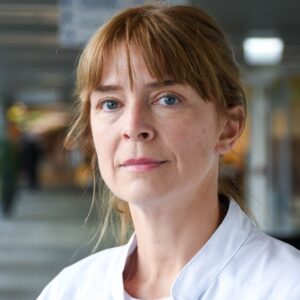
Prof. Marie Norredam is a PhD, DMSci and professor in Migration, Ethnicity and Health at the University of Copenhagen. She is also the current Director of the Danish Research Centre for Migration, Ethnicity and Health, (MESU), which she co-founded in 2010. She is a specialist in infectious diseases and works part-time at the Outpatient Clinic for Immigrant Medicine, University Hospital Hvidovre, Copenhagen. Her academic work has been focusing on migrant and ethnic minority health, infectious diseases and migration, vulnerable groups of migrants and equity in health and access and use of health services in Denmark and internationally.Through register-based studies using the unique Danish nationwide registers, she has illuminated the need to focus on risk factors related to the entire migration process and not just to ethnic background. Second, she has investigated clinical indicators of access to timely care and quality of care, and by illuminating actual access in contrast to the rights of care of vulnerable migrant groups, including asylum seekers, undocumented migrants, and refugee children. Third, she has focused rigorously on the health needs of newly arrived migrants and the organization and coordination of health reception systems. Finally, her work bridges health services research across public health and clinical medicine. Prof Norredam contributes to governmental and non-governmental expert groups and (advisory) boards in Denmark and internationally including the National Health Agency, Dignity and Doctors without Borders as well as scientific committees and steering groups. She is also the founder and first president of the Danish Society of Immigrant Health bringing together researchers and practitioners within the field.
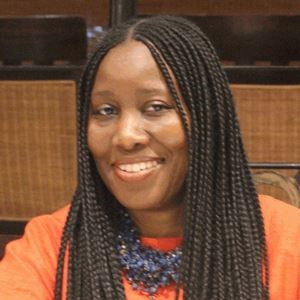
Prof. Ama de-Graft Aikins is a professor of social psychology at the Regional Institute for Population Studies, University of Ghana and a professorial research fellow at the Department of Methodology, London School of Economics and Political Science. Her research focuses on chronic illness experiences and care, and on developing interdisciplinary models to address Africa’s chronic non-communicable disease (NCD) burden. She also has a strong interest in arts and health, and how arts-based methods strengthen participatory community health development. In addition to her co-investigator role on the M-CARE Project, Professor de-Graft Aikins is principal investigator for the British Academy seed-funded Chronicity and Care in African Contexts Project. The project examines how social and creative responses to chronic conditions can inform public engagement and chronic care interventions in continental and diaspora African settings. Her book, Selling Healing: Creative Arts and Health Communication in Ghana, published by Cambridge University Press in November 2025, is a major output of this project.
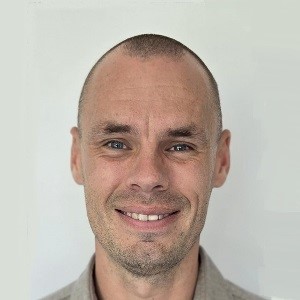
Dr. Wouter Munneke is a postdoctoral researcher at Amsterdam University Medical Center and coordinator of the M-CARE Project. He is also a board member of the Amsterdam Center of Implementation Science (AmsCIS). He has a background in Physiotherapy and Clinical Epidemiology, and his research focuses on the development, implementation, and evaluation of interdisciplinary interventions in primary care. He obtained his joint PhD from the Vrije Universiteit Brussel (Department of Physiotherapy, Human Physiology and Anatomy) and the University of Liège (Department of Sport and Rehabilitation Sciences), where his research focused on developing and implementing interdisciplinary training for healthcare professionals on chronic pain. He coordinated the Belgian national project for the implementation of the Belgian guideline on the management of chronic pain and co-authored the Belgian guidelines on the multimodal management of chronic primary pain. His academic interest lies in exploring the complex dynamics of (de-)implementation behaviour in healthcare. He strongly believes that an interdisciplinary approach is essential to bridging the gap between theory, clinical practice, and society.
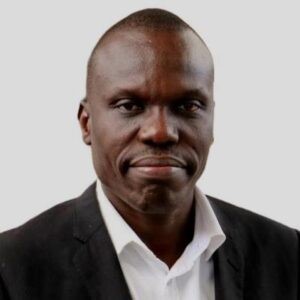
Dr. Gershim Asiki is Senior Research Scientist/Epidemiologist and leads the Chronic Diseases Management Research Unit at the African Population and Health Research Center (APHRC). He holds a PhD in Epidemiology from Karolinska Institute, Sweden, a Master of Science in International Health from University College London and a Bachelor of Medicine and Surgery from Makerere University, Uganda. His research interests include investigating the aetiology of NCDs including environmental, behavioural, genomic and commercial determinants of health to inform NCD prevention and control efforts. He leads the design and evaluation of individual-level and health system interventions to improve chronic disease care and prevention, and maternal and child health services. He started his career as a frontline physician in Uganda and transitioned to a full time researcher and has worked with three international research organizations including UK Medical Research Council Unit in Uganda, Columbia University-ICAP program in Uganda, Cameroon and Namibia, and the African Population and Health Research Center in several African countries. He is a member of technical working group supporting the Health Ministries of Kenya, Tanzania and Uganda in developing regulatory and fiscal food policies for promoting healthier diets to prevent NCDs. He is the lead investigator designing the implementation and evaluation of the food policies in the three countries.
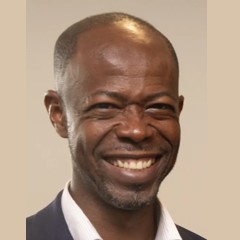
Mr Labram Musah is the National Coordinator for the Ghana NCD Alliance; a cluster of NGOs mobilizing multi-stakeholder advocacy for NCDs prevention and the meaningful involvement of people living with NCDs. He doubles as the Executive Director of Vision for Accelerated Sustainable Development, Ghana, (VAST Ghana) an organization advocating for tobacco and alcohol control, and NCDs policies as well as road safety measures and climate actions. He is also the secretary to the African NCDs Network, a board Member of the Movendi International and Regional Committee member of the Global Alliance for Tobacco Control (GATC)
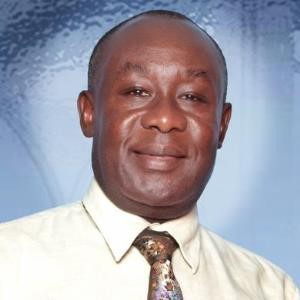
Dr. Bernard Omech is a physician, public health expert, and implementation researcher with over 24 years of medical practice in Uganda and Botswana. He is currently the Acting Director of Graduate Training and Research at Lira University and serves as the Centre Coordinator for the university’s Sexual and Reproductive Health and Rights (SET-SRHR) Center. Dr. Omech obtained his Bachelor of Medicine and Surgery (MBChB) and Master of Medicine in Internal Medicine (M.Med) from Makerere University in 2000 and 2009, respectively. He further specialized in public and international health development, earning a Master of Science from the Royal Tropical Institute in Amsterdam. His career spans clinical practice, academia, and health systems research, including roles as a medical officer at Pope John’s Hospital Aber, an internist and lecturer at Kampala International University, and an expatriate faculty member at the University of Botswana (2012–2016). Dr. Omech’s research is dedicated to improving the management of chronic non-communicable diseases (NCDs) and strengthening primary healthcare systems in Sub-Saharan Africa. His work addresses the intersection of diabetes, cardiovascular diseases, mental health, maternal and child health, and infectious diseases such as HIV/AIDS.